

Creamy Chicken Pasta Recipe (Easy 30-Minute Dinner)
Looking for a delicious dinner that’s easy to make on a busy evening? This creamy chicken pasta combines tender chicken, perfectly cooked pasta, and a rich garlic Parmesan sauce for a comforting meal your whole family will enjoy. Made with simple ingredients, this recipe is perfect when you want something satisfying without spending hours in the kitchen.
The creamy sauce coats every bite, while garlic and Parmesan add a savory flavor that feels restaurant-worthy. You can use fettuccine, penne, or your favorite pasta shape. Add fresh vegetables for extra color, or finish with a squeeze of lemon juice to brighten the flavors. It’s an easy choice for weeknight dinners when you crave homemade comfort food.
Why You’ll Love This Creamy Chicken Pasta
This creamy chicken pasta recipe makes dinner feel special without complicated steps. You can prepare the ingredients while the pasta water heats. Meanwhile, the chicken cooks in a skillet and develops a golden crust. The sauce comes together with garlic, cream, and Parmesan, creating a rich coating for every noodle.
Another reason to love this dish is its flexibility. You can use fettuccine, penne, or another pasta shape you already have. Add vegetables for extra color or adjust the seasoning to suit your family. It is a practical choice for weeknight dinners when you want something filling, flavorful, and easy to prepare.

Ingredients for Creamy Chicken Pasta
The secret to flavorful chicken pasta is choosing ingredients that work well together. Chicken provides protein, pasta makes the meal hearty, and the sauce brings everything together. For this recipe, use simple pantry staples and fresh ingredients whenever possible. The quantities below make four servings.
| Ingredient | Amount | Purpose |
| Boneless chicken breast | 1 pound | Tender, savory chicken |
| Fettuccine or penne | 12 ounces | Holds the creamy sauce |
| Olive oil | 1 tablespoon | Helps brown the chicken |
| Butter | 2 tablespoons | Adds richness to the sauce |
| Garlic | 4 cloves, minced | Builds deep flavor |
| Heavy cream | 1 cup | Creates a rich, smooth sauce |
| Parmesan cheese | ¾ cup, freshly grated | Thickens and seasons the sauce |
| Pasta water | ½ cup, as needed | Helps adjust the sauce |
| Italian seasoning | 1 teaspoon | Adds herbal flavor |
| Salt and black pepper | To taste | Balance the flavors |
| Lemon juice | 1–2 teaspoons | Brightens the finished dish |
| Chopped parsley | 1 tablespoon | Adds a fresh finish |
Chicken
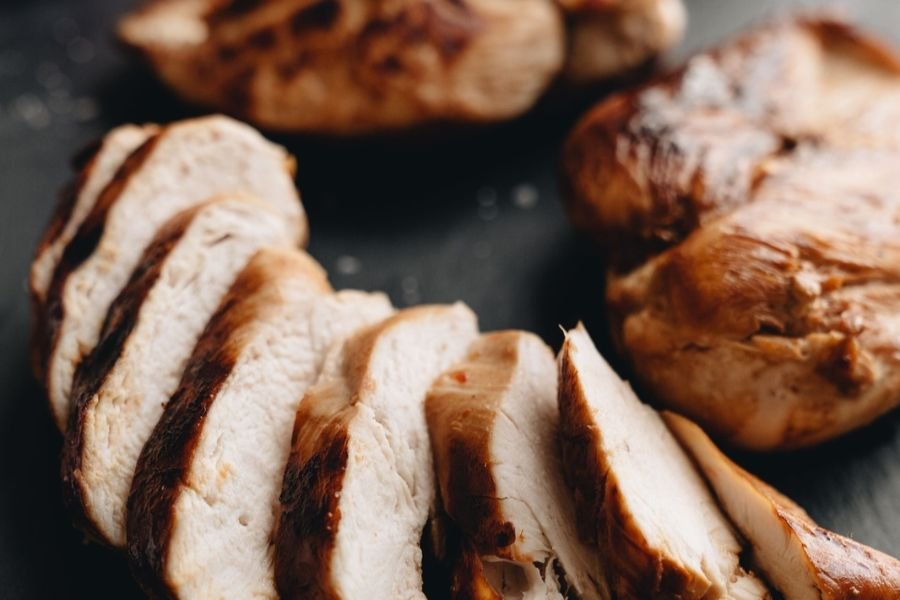
Boneless, skinless chicken breast works well because it cooks quickly and slices easily. Cut it into even strips or bite-sized pieces so everything cooks at a similar rate. Pat the chicken dry before seasoning it. This small step helps create golden brown chicken instead of a pale, steamed surface.
Pasta
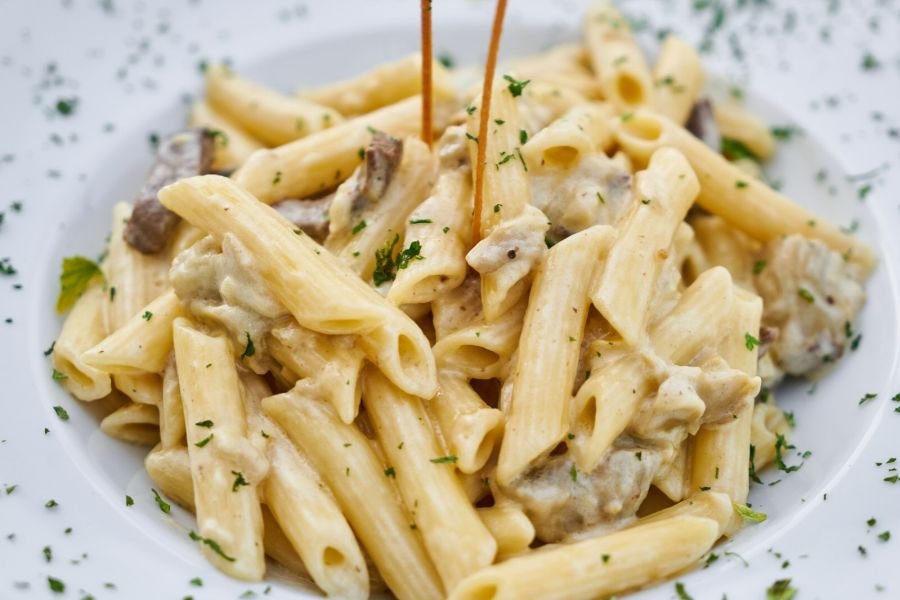
Fettuccine gives the sauce plenty of surface area to cling to, while penne and rotini offer a different texture. Choose whichever shape you enjoy or already have in your pantry. Cook the pasta until just al dente, which means tender but still slightly firm. It will soften a little more when tossed with the hot sauce.
Ingredients for the Creamy Pasta Sauce
A good sauce needs only a few ingredients. Heavy cream, butter, minced garlic, and freshly grated Parmesan create a smooth, savory base. Freshly grated cheese usually melts more evenly than many pre-shredded varieties. Keep some starchy pasta water nearby because it helps loosen the sauce without making it watery.

Seasonings and Optional Garnishes
Italian seasoning, salt, and black pepper bring out the chicken’s flavor. A little lemon juice balances the richness, while chopped parsley adds freshness. You can also finish the dish with lemon zest, extra Parmesan, or red pepper flakes. Add these gradually and taste as you go.
How to Make Creamy Chicken Pasta Step by Step
Making creamy chicken pasta at home is easier when you prepare everything before turning on the stove. Use one large pot for the pasta and a wide skillet for the chicken and sauce. The skillet gives the chicken room to brown and leaves enough space to combine everything at the end.
For the smoothest result, cook the sauce over gentle heat rather than letting it boil hard. Keep a little pasta water ready, and add it only when needed. Follow the steps below to make a flavorful dinner in approximately 30 minutes, depending on your stove and preparation speed.
Prepare the Ingredients
Bring a large pot of water to a boil. Mince the garlic, grate the Parmesan, and measure the cream and seasonings. Cut the chicken into evenly sized pieces, then pat them dry with paper towels. This preparation makes the cooking process easier and helps prevent overcooking while you search for ingredients.
Season and Cook the Chicken
Season the chicken with Italian seasoning, salt, and black pepper. Heat the olive oil in a large skillet over medium-high heat. Add the chicken in a single layer and cook until golden on the outside and fully cooked inside. The thickest pieces must reach 165°F (74°C), measured with a food thermometer. Transfer the chicken to a clean plate.
Cook the Pasta
Add salt to the boiling water, then cook the pasta according to the package directions. Stir it occasionally so the noodles do not stick together. Before draining, reserve about half a cup of pasta water. Drain the pasta without rinsing it. That thin layer of starch helps the sauce cling to the noodles.
Make the Creamy Garlic Sauce
Reduce the skillet heat to medium and add the butter. Stir in the minced garlic and cook briefly until fragrant, without letting it burn. Pour in the heavy cream and bring it to a gentle simmer. Add the Parmesan cheese in small handfuls, stirring until melted. Avoid aggressive boiling because excessive heat can make the sauce oily or grainy.

Combine Everything and Serve
Add the cooked pasta to the skillet and toss it through the sauce. Return the chicken to the pan, including any juices collected on the plate. Add a splash of pasta water if the sauce seems too thick. Finish with lemon juice, parsley, and extra Parmesan. Serve immediately while the sauce is smooth and the chicken is warm.
Expert Tips for the Best Creamy Chicken Pasta
Small cooking choices can make a noticeable difference to the final dish. First, dry the chicken before searing it and avoid crowding the skillet. If the pan is too full, the chicken releases moisture and may steam instead of browning. Cook in batches when necessary, and let the pieces develop color before turning them.
Next, keep the sauce at a gentle simmer and add the cheese gradually. If it becomes too thick, stir in warm pasta water a tablespoon at a time. If it seems thin, let it simmer gently for another minute or two. These simple adjustments help you achieve a creamy sauce that coats the pasta instead of pooling at the bottom.

| Common problem | What to do |
| Sauce is too thick | Add warm pasta water gradually. |
| Sauce is too thin | Simmer gently for another minute or two. |
| Cheese becomes grainy | Lower the heat and stir gently. |
| Chicken turns dry | Cut evenly sized pieces and avoid overcooking. |
| Sauce tastes too rich | Add a small squeeze of lemon juice. |
Another useful tip is to grate the Parmesan yourself and taste the sauce before adding extra salt. Parmesan already contains salt, so the right amount depends on your cheese and pasta water. For extra flavor, scrape the browned bits from the skillet when adding the cream. Those little bits carry plenty of savory flavor into the sauce.
Easy Variations to Try
One advantage of this recipe is how easily you can change it. The basic sauce works with several ingredients, so you can use what is already in your refrigerator. These ideas also give you room to explore different creamy pasta sauces without learning an entirely new cooking method.
Add Vegetables
For extra color and flavor, stir in mushrooms, broccoli, zucchini, or green beans. Sauté firm vegetables before preparing the sauce so they become tender. Add fresh spinach near the end because it wilts quickly. You can also add crispy bacon for a smoky, salty finish. If you enjoy chicken and mushroom pasta, browned mushrooms make a particularly tasty addition.
Make It Spicy
If you like a little heat, add red pepper flakes while preparing the sauce. A pinch of cayenne also works, although it has a stronger kick. Start with a small amount, then taste before adding more. The cream softens the heat, while Parmesan adds a savory flavor that balances the spice.
Use Different Pasta Shapes
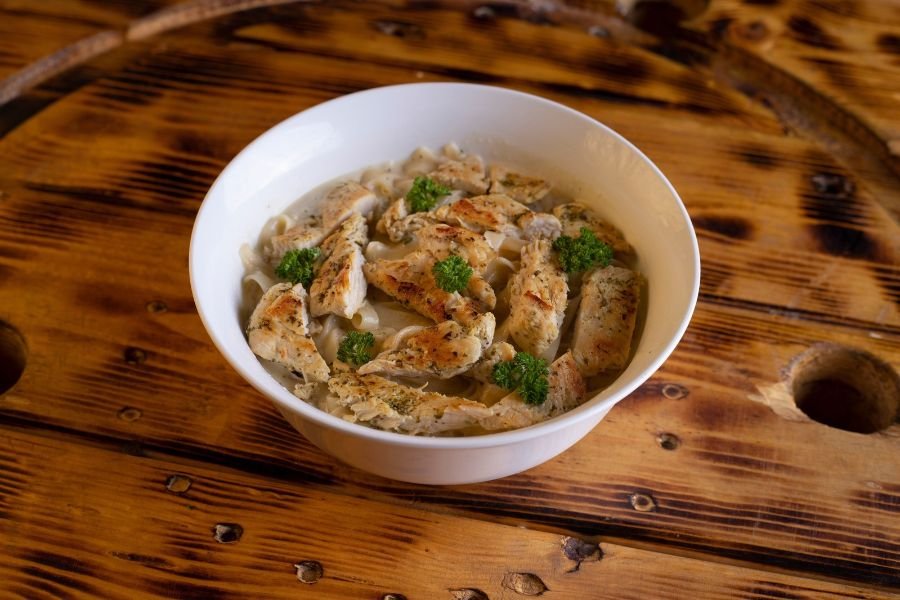
Fettuccine and linguine are great for long, silky strands, while penne and rotini catch sauce in their grooves. Rigatoni is another good choice if you prefer larger pieces. Even spaghetti works when that is what you have available. Follow the package’s cooking time, then finish the pasta in the skillet for better sauce coverage.
Make the Sauce Lighter
You can replace some or all of the heavy cream with light cream or single cream, depending on what’s available. Keep in mind that lighter creams may create a thinner sauce and can be more sensitive to high heat. Simmer gently and add Parmesan slowly. A small amount of reserved pasta water can help bring the sauce together without adding more cream.
For a different flavor, try fresh rosemary, thyme, or sage instead of Italian seasoning. A small pinch of flour can help thicken the sauce when needed, but mix it with a little cool liquid first to prevent lumps. If you prefer a dish closer to garlic parmesan pasta, use extra garlic and Parmesan, then add lemon to balance the richness.
What to Serve with Creamy Chicken Pasta
A rich pasta dish pairs nicely with sides that bring freshness and contrast. Garlic bread or a warm crusty baguette is perfect for scooping up the extra sauce. If you prefer something lighter, serve a crisp green salad with a lemon vinaigrette. The fresh, slightly sharp dressing balances the creamy texture without competing with the chicken.
Roasted broccoli, asparagus, or green beans also make excellent companions. You can roast the vegetables while preparing the pasta to save time. Finish the plate with fresh herbs, a little Parmesan, and a sprinkle of lemon zest. These small touches make the meal look inviting and add extra flavor without much effort.

How to Store and Reheat Creamy Chicken Pasta
Leftovers make an easy lunch the next day, although the sauce may thicken as it cools. Transfer the pasta to a shallow, airtight container and refrigerate it within two hours of cooking.
To reheat, place a portion in a skillet over low to medium-low heat. Add a splash of milk, cream, or broth and stir gently until the sauce loosens. You can also use a microwave, heating in short intervals and stirring between them. Reheat leftovers to 165°F (74°C). Freezing is possible, but cream-based sauces may separate after thawing, so the texture may not be quite as smooth.
Final Thoughts
Homemade pasta doesn’t need complicated techniques or expensive ingredients to taste wonderful. With tender chicken, a smooth sauce, and a few pantry staples, you can create satisfying comfort food for the whole family. This recipe is also easy to adapt with different pasta shapes, herbs, and fresh vegetables.
Once you’ve made it a few times, you’ll learn how your favorite ingredients work together and how to adjust the sauce to your taste. Keep the recipe handy for busy weeknight dinners, serve it straight from the skillet, and enjoy every creamy bite.
FAQS
What Is the Best Pasta Shape to Use?
Fettuccine, penne, and rotini work best because they hold creamy sauce well.
Why Did My Cream Sauce Curdle or Turn Grainy?
The sauce may have overheated. Keep the heat low and add freshly grated Parmesan gradually.
How Do I Fix a Sauce That Is Too Thick?
Add warm pasta water a little at a time until the sauce reaches your desired consistency.
How Do I Fix a Sauce That Is Too Thin?
Simmer the sauce gently for a few minutes, stirring often, until it thickens.
Can I Use Lighter Dairy Instead of Heavy Cream?
Yes, half-and-half or light cream works, but keep the heat low to prevent separation.
How Should I Store and Reheat Leftovers?
Refrigerate leftovers in an airtight container for 3–4 days. Reheat gently with a splash of milk or broth until hot.