
Homemade Pepperoni Pizza Recipe (Easy, Cheesy & Crispy)
This Homemade Pepperoni Pizza Recipe gives you a crispy crust, rich tomato sauce, melted cheese, and tasty pepperoni in every bite. You can prepare it with homemade dough or use store-bought dough to save time.
The best part is choosing your favorite Pizza toppings and making each slice just the way you like it. With simple ingredients and a few easy steps, you’ll have a delicious Easy pepperoni pizza ready for family dinner or weekend gatherings. Serve it fresh from the oven with your favorite sides and enjoy a classic pizza night at home.
Why You’ll Love This Homemade Pepperoni Pizza
This pizza brings together everything people love about a classic pepperoni pie. The crust turns golden in a hot oven. The cheese melts into a creamy layer. The pepperoni becomes slightly crisp around the edges. Each slice has a tasty balance of savory, cheesy, and tangy flavors. You can also control the amount of sauce and toppings.
Another reason to try this Easy pepperoni pizza is how flexible it can be. Use fresh dough when you have extra time. Choose refrigerated dough when you need a quicker dinner. You can make a thin crust or a thicker one. You can even add chopped pepperoni under the cheese for extra flavor. This Homemade pizza is easy to change without making the process difficult.

Ingredients for Homemade Pepperoni Pizza
You only need a few basic ingredients to make a delicious pizza. The dough creates the base. The sauce adds moisture and tomato flavor. Cheese gives each slice its creamy texture. Pepperoni brings a salty and savory taste. For this recipe, use a 12-inch pizza dough and adjust the toppings to your liking.
| Ingredient | Amount | Purpose |
| Pizza dough | 1 ball (about 12–16 oz.) | Makes the pizza crust |
| Pizza sauce | ½ cup | Adds tomato flavor |
| Low-moisture mozzarella | 1½–2 cups | Creates a cheesy topping |
| Pepperoni slices | ½–¾ cup | Adds a savory flavor |
| Parmesan cheese | 2 tablespoons | Adds a salty finish |
| Olive oil | 1 teaspoon | Helps brown the crust |
| All-purpose flour | As needed | Prevents sticking |
| Dried oregano | ½ teaspoon | Adds herbal flavor |
| Red pepper flakes | To taste | Adds gentle heat |
Choosing the Right Pizza Dough
You can prepare Homemade pizza dough from scratch or buy a ready-made dough ball. Both options work well. If you make your own, use All-purpose flour, yeast, warm water, salt, and a little olive oil. Knead until the dough feels smooth and elastic. Let it rise until it becomes soft and roughly doubles in size. For a quicker meal, refrigerated Pepperoni pizza dough is a convenient choice.
Before shaping the dough, let it rest at Room temperature for about 30–60 minutes. Cold dough often pulls back when you stretch it. A short rest makes it softer and easier to handle. Lightly dust your work surface with flour. Avoid adding too much flour because it can make the crust dry and tough.

Making a Simple Homemade Pizza Sauce
A good sauce should taste rich without making the crust wet. You can use prepared pizza sauce or make a quick Homemade pizza sauce at home. Mix Tomato sauce with Kosher salt, Ground black pepper, Granulated garlic, and Granulated onion. Add a pinch of Red pepper flakes if you enjoy a little heat. Finish with a small drizzle of Olive oil.
This simple Pizza sauce recipe takes only a few minutes. Taste it before spreading it over the dough. Add more seasoning if needed. You can also mix in dried oregano or basil. Keep the sauce fairly thick. A watery sauce can make the center of your pizza soft and difficult to slice.
Selecting Cheese and Pepperoni
For a classic pizza, use low-moisture Mozzarella cheese. It melts smoothly and gives you that familiar cheesy texture. You can buy pre-shredded cheese or grate a block yourself. Grated mozzarella is convenient and spreads easily over the sauce. Parmesan adds a sharper flavor. A little provolone can also give the topping more depth.
Choose regular or Thinly sliced pepperoni based on your preference. Thin slices become crisp more quickly. Thick slices stay softer and give you a meatier bite. If you like a little heat, choose spicy pepperoni. Pat very oily pepperoni lightly with a paper towel before adding it. This can help reduce excess grease on your pizza.
How to Make Homemade Pepperoni Pizza
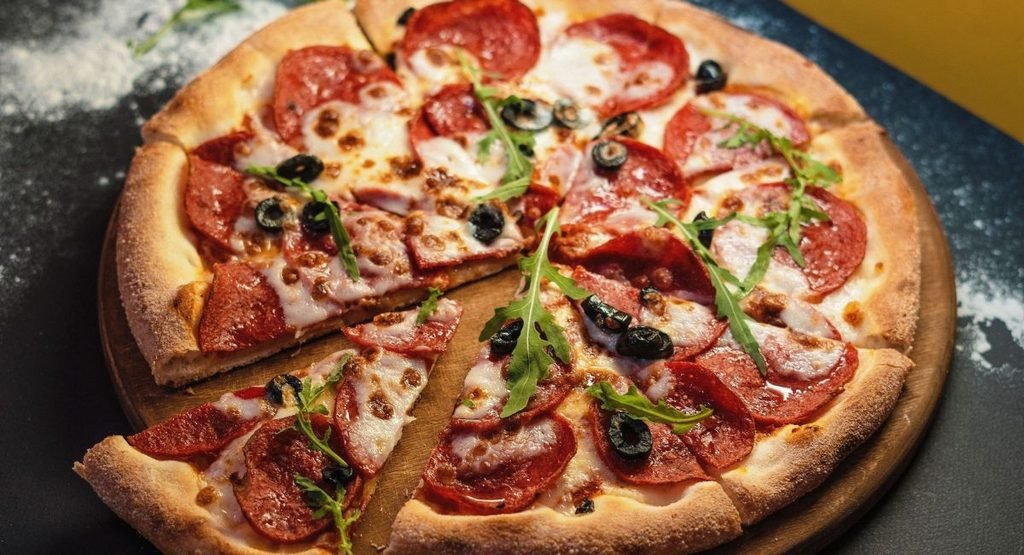
Making pizza at home is easier when you prepare everything before shaping the dough. Set out the sauce, cheese, and pepperoni. Preheat your oven with the baking surface inside. This gives the surface enough time to become hot. A hot Preheated oven helps the bottom cook properly and creates a crispier crust.
For this recipe, shape one dough ball into a 12-inch round. Spread the sauce in a thin layer. Add mozzarella and arrange the pepperoni evenly across the top. Bake until the cheese bubbles and the crust turns golden. Let the pizza rest briefly before slicing. This helps the cheese settle and makes serving easier.
Step 1: Prepare the Dough
Place your Pizza dough ball on a lightly floured counter. Let it soften if it has been refrigerated. Press the center gently with your fingertips. Work outward while leaving a slightly thicker edge for the crust. Slowly stretch the dough into a 12-inch circle. Turn it as you work so the shape stays even.
Avoid using a rolling pin if you want a slightly airy crust. Your hands help keep some of the air inside the dough. If the dough keeps shrinking, cover it and let it rest for another 10 minutes. Don’t force it into shape. A relaxed dough is easier to stretch and less likely to tear.

Step 2: Preheat the Oven and Baking Surface
Place a Pizza stone or heavy baking sheet on the middle rack. Heat your oven to 500°F if your oven safely reaches that temperature. Let the stone heat for at least 30 minutes. This gives it time to store heat and helps the bottom of the pizza cook quickly. Always follow the care instructions for your baking stone.
If you don’t own a pizza stone, use an upside-down heavy baking sheet. You can also prepare a Cast iron skillet for a thicker, crisp-bottomed pizza. A High-temperature oven works well for homemade pizza because it cooks the crust before the toppings dry out. Keep the oven door closed while it heats.
Step 3: Add the Sauce and Toppings
Transfer the stretched dough to a lightly floured Pizza peel or a piece of parchment paper that is safe for your oven temperature. Spread about ½ cup of sauce over the center. Leave a small border around the edge. Too much sauce can make the center soggy. Use the back of a spoon to spread it evenly.
Add the mozzarella in an even layer. Arrange the Pepperoni slices across the cheese so each slice gets a little topping. Sprinkle Parmesan and oregano over the top if you like. Don’t overload the pizza. Too many toppings can release moisture and prevent the center from cooking properly.
Step 4: Bake Until the Cheese Melts
Carefully slide the pizza onto the hot baking surface. Bake at 500°F for about 8–12 minutes. The exact time depends on your oven, dough thickness, and baking surface. Start checking around the 8-minute mark. The cheese should be bubbling. The edges should look golden and the bottom should be cooked through.
A good Oven-baked pizza has a crisp base and soft center. Look for a Golden brown crust around the edges. The cheese should be fully melted without becoming too dark. If one side browns faster, rotate the pizza carefully. Use oven gloves when handling the hot stone or skillet.
Step 5: Rest, Slice, and Serve
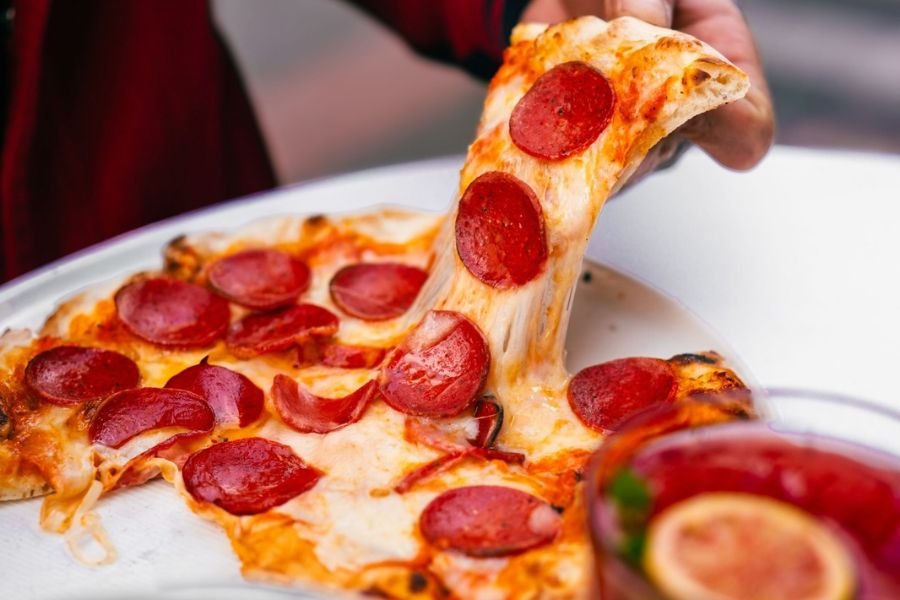
Remove the pizza from the oven and place it on a Cutting board. Let it rest for about 3–5 minutes. This short pause helps the cheese settle. It also makes the slices easier to lift. Add a little Parmesan or Fresh herbs if you want extra flavor.
Use a sharp Pizza cutter to divide the pizza into six or eight slices. Serve while the cheese is warm and stretchy. You can add a pinch of Fresh oregano or red pepper flakes at the table. A small drizzle of olive oil also works well. Enjoy your pizza while the crust is still crisp.
Tips for Making the Best Pepperoni Pizza
A few small details can make a big difference. Start with dough that is soft enough to stretch. Keep the sauce layer thin. Use a hot baking surface and avoid adding too much cheese or pepperoni. These steps help the crust cook evenly. They also prevent the center from becoming wet or heavy.
The Pizza baking temperature depends on your oven and equipment. Many home recipes use temperatures between 425°F and 500°F. A hotter oven usually cooks the pizza faster. A lower temperature may need more baking time. Always watch the crust rather than relying only on the clock. Your pizza is ready when the bottom is cooked and the cheese is bubbling.

How to Get a Crispy Pizza Crust
The secret to a Crispy pizza crust is a hot baking surface. A preheated stone or steel transfers heat to the dough quickly. This helps the base cook before the toppings release too much moisture. If you use a regular baking sheet, preheat it carefully. Make sure it is designed for oven use at your chosen temperature.
You can also brush the outer edge with a little olive oil. This helps the crust brown and adds flavor. Avoid using too much flour when shaping the dough. Excess flour can burn on the baking surface. If you prefer a softer crust, bake the pizza on a regular pan instead of a stone.
Avoid Adding Too Many Toppings
It’s tempting to add extra cheese, sauce, and meat. However, too many toppings can make pizza difficult to bake. The center may stay soft while the edges become dark. Use a moderate amount of sauce and spread the cheese evenly. Leave a little space between the pepperoni pieces so the heat can reach the toppings.
Use the Right Baking Equipment
A Pizza stone is useful because it holds heat and helps cook the bottom of the crust. A pizza steel is another option. Both need to preheat before you add the dough. A Pizza peel makes it easier to move the pizza onto a hot stone. Dust the peel lightly with flour or cornmeal so the dough can slide.
You can also make Cast iron skillet pizza without a stone. Lightly oil the skillet and press the dough into it. Add the sauce, cheese, and pepperoni. Bake until the bottom is crisp and the top is bubbling. Depending on your skillet and oven, you may start the pan over Medium heat for a short time before transferring it to the oven. Use a skillet that is safe for high oven temperatures.

Best Cheese and Pepperoni for Homemade Pizza
Cheese affects the flavor and texture of every slice. Low-moisture mozzarella is a reliable choice because it melts well without releasing too much water. Whole-milk mozzarella gives a rich and creamy result. Part-skim mozzarella can produce a slightly lighter topping. Fresh mozzarella tastes delicious too, but it contains more moisture. Drain it well and use a smaller amount if you choose it.
Pepperoni also changes the final result. Regular slices give you a classic pizza flavor. Mini pepperoni spreads across the pizza more evenly. Thick-cut pepperoni creates a meatier bite. Some varieties curl and crisp around the edges as they bake. Choose a type you enjoy and avoid adding too much. A balanced topping lets the crust and cheese shine.
Homemade Pepperoni Pizza Variations
One of the best things about homemade pizza is how easy it is to customize. You can keep the classic sauce, cheese, and pepperoni combination. You can also add vegetables, extra cheese, or a little spice. Make small changes so the toppings don’t become too heavy. This keeps the crust crisp and allows each flavor to stand out.
Try different crust styles to change the whole meal. A thin crust cooks quickly and gives a crisp bite. A thicker crust feels soft and filling. You can also use a cast iron pan for a crisp bottom and a thicker edge. Keep the same basic method and adjust the baking time to suit your dough.
Extra-Cheesy Pepperoni Pizza
For a richer pizza, add a little provolone or Parmesan with the mozzarella. Provolone brings a mild, savory flavor. Parmesan adds a sharper finish. Spread the cheese evenly instead of piling it in the center. This helps the toppings cook at the same rate and prevents the middle from becoming too heavy.
You can also add a small amount of cheese around the edge. It creates a flavorful crust as it bakes. Keep an eye on the oven because extra cheese can brown faster. Let the pizza rest before slicing so the melted cheese doesn’t slide off every piece.
Spicy Pepperoni Pizza
If you enjoy heat, use spicy pepperoni and sprinkle red pepper flakes over the sauce. You can also add a little chili oil after baking. For a stronger flavor, mix a small pinch of cayenne pepper into the sauce. Start with a little and taste as you go. You can always add more heat at the table.
Jalapeños are another option. Slice them thinly and use a moderate amount. Fresh jalapeños add a bright pepper flavor. Pickled jalapeños bring extra tang. Pat them dry before adding them to the pizza. This helps prevent extra moisture from reaching the crust.
Pepperoni and Vegetable Pizza
Vegetables add color and texture to pepperoni pizza. Mushrooms, bell peppers, onions, and black olives are popular choices. Slice them thinly so they cook quickly. Mushrooms and other watery vegetables may release moisture in the oven. Cook or drain them first if they seem especially wet.
You can also add spinach or sliced tomatoes. Use these toppings in smaller amounts. Too many vegetables can cover the cheese and make the pizza soggy. A good balance is a few vegetables with the pepperoni. This gives you extra flavor without changing the classic pizza too much.
Cast Iron Skillet Pepperoni Pizza
A skillet gives pizza a thick edge and a crisp bottom. Lightly coat an oven-safe cast iron skillet with olive oil. Press the dough into the pan and let it rest for a few minutes. Add sauce, mozzarella, and pepperoni. Bake until the edges are browned and the cheese has melted.
For a deeper golden base, you can briefly heat the skillet on the stovetop before baking. Keep the heat controlled and watch the dough carefully. Cast iron holds heat for a long time. Always use oven gloves when moving it. Place the hot skillet on a heat-safe surface after baking.

How to Store Pizza in the Refrigerator
Place leftover slices in an airtight container and refrigerate them promptly. Keep your refrigerator at 40°F or below. For food safety, don’t leave pizza at room temperature for more than two hours. If the surrounding temperature is above 90°F, refrigerate it within one hour. Properly stored leftovers should be eaten within three to four days.
Avoid leaving pizza uncovered in the refrigerator. The crust can dry out and absorb odors from other foods. Separate the slices with parchment paper if they stick together. Write the storage date on the container if you plan to keep several leftovers. When in doubt about how long pizza has been stored, throw it away.
How to Freeze Homemade Pepperoni Pizza
Freezing works well when you want to save pizza for another day. Let the slices cool before wrapping them. Wrap each piece in plastic wrap or foil. Place the wrapped slices inside a freezer-safe bag. Label the bag with the date. For better quality, use frozen pizza within two to three months.
You can reheat frozen slices directly in the oven or thaw them in the refrigerator first. Avoid thawing pizza on the counter. The crust may lose some crispness after freezing, but reheating on a hot pan can improve the texture. Freeze slices separately if you want to take out only one or two at a time.
Final Thoughts
This Homemade Pepperoni Pizza Recipe is a simple way to enjoy a classic favorite at home. You can use ready-made dough or prepare your own. Choose a sauce you enjoy and add plenty of mozzarella and pepperoni. A hot oven and a little care will help you create a crisp crust with melted cheese.
Make the recipe your own by changing the crust, cheese, or toppings. Serve it with a fresh salad or garlic bread for a complete meal. Once you understand the basic method, homemade pizza becomes easier to prepare whenever a craving hits.

FAQS
1. What toppings go on a pepperoni pizza?
Pepperoni pizza usually has tomato sauce, mozzarella cheese, and pepperoni slices. You can also add mushrooms, olives, bell peppers, or onions.
2. How to make perfect pepperoni pizza?
Use fresh dough, flavorful pizza sauce, mozzarella cheese, and quality pepperoni. Bake in a fully preheated oven until the crust is golden and crispy.
3. How to make pepperoni pizza taste better?
Add Parmesan, fresh oregano, or red pepper flakes for extra flavor. Use low-moisture mozzarella and avoid adding too much sauce.
4. How is pepperoni pizza made?
Spread pizza sauce over prepared dough, then add mozzarella cheese and pepperoni slices. Bake until the cheese melts and the crust becomes golden brown